So, How Much Does It Actually Cost to Develop Land in the USA?
Ask ten land investors that question and you’ll get ten very different answers, and honestly, they’re all correct. Land development costs in USA don’t work like buying a car off a lot with a sticker price. They shift based on where you are, what you’re building, what the land looks like, and what the local government decides to charge you for the privilege of improving it.
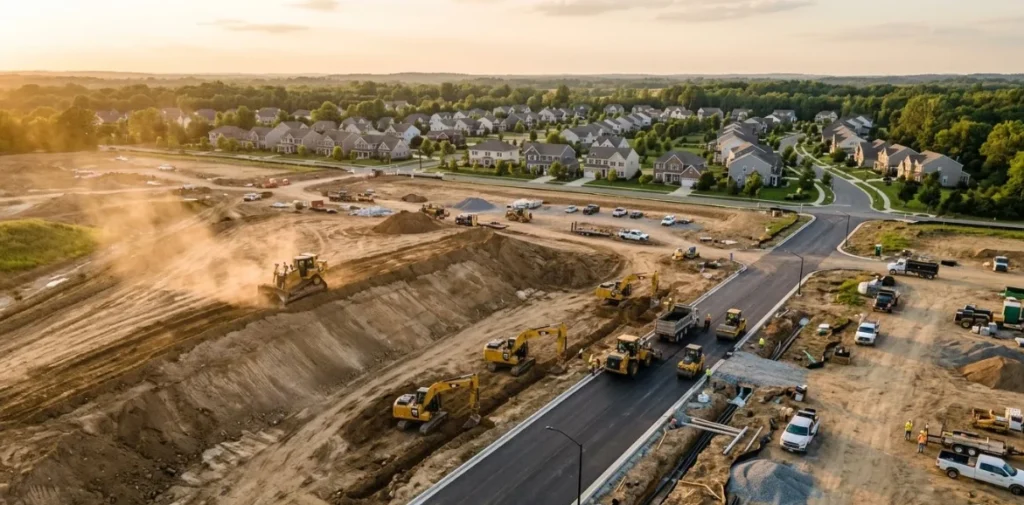
Here’s the part that catches people off guard: the cost of developing land often rivals, or outright exceeds, what you paid to buy it in the first place. Permits, clearing, grading, utilities, engineering fees, they stack up faster than most people expect, especially in 2026 when construction costs are still running hot off several years of inflation and a skilled labor shortage that hasn’t fully resolved.
This guide is designed to change that. Whether you’re buying your first rural parcel and dreaming about a small subdivision, or you’re a seasoned investor scoping out a commercial site, the breakdown here gives you a real, honest picture of where every dollar goes. No fluff, no vague ranges, just a clear map of what to expect and how to plan around it.
What Land Development Actually Means (And Why It Matters for Budgeting)
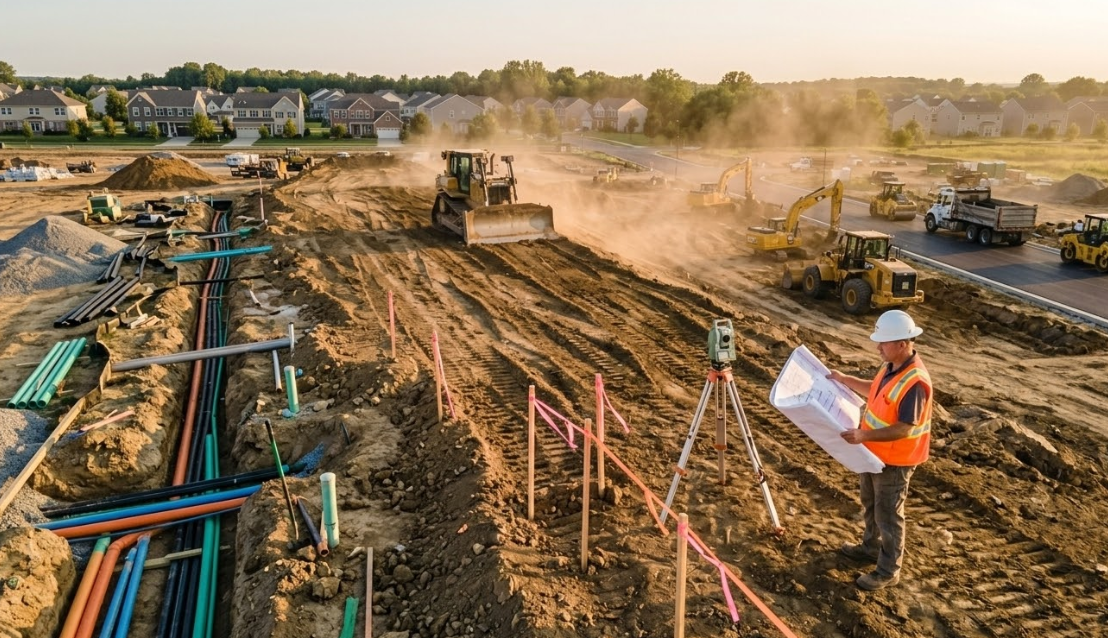
People use the term loosely, so let’s define it clearly. Land development is the process of converting raw or underimproved property into a usable site, one where someone can actually build a home, open a business, or put up a warehouse. That transformation involves a lot more than just clearing some trees.
We’re talking about grading the terrain, running utility lines, installing roads, navigating permits, hiring engineers, and dealing with whatever environmental surprises the land throws at you. The scope changes dramatically depending on what you’re building and where, which is exactly why two projects of the same size can have wildly different cost profiles.
Raw Land vs. Developed Land – The Financial Gap That Creates Value
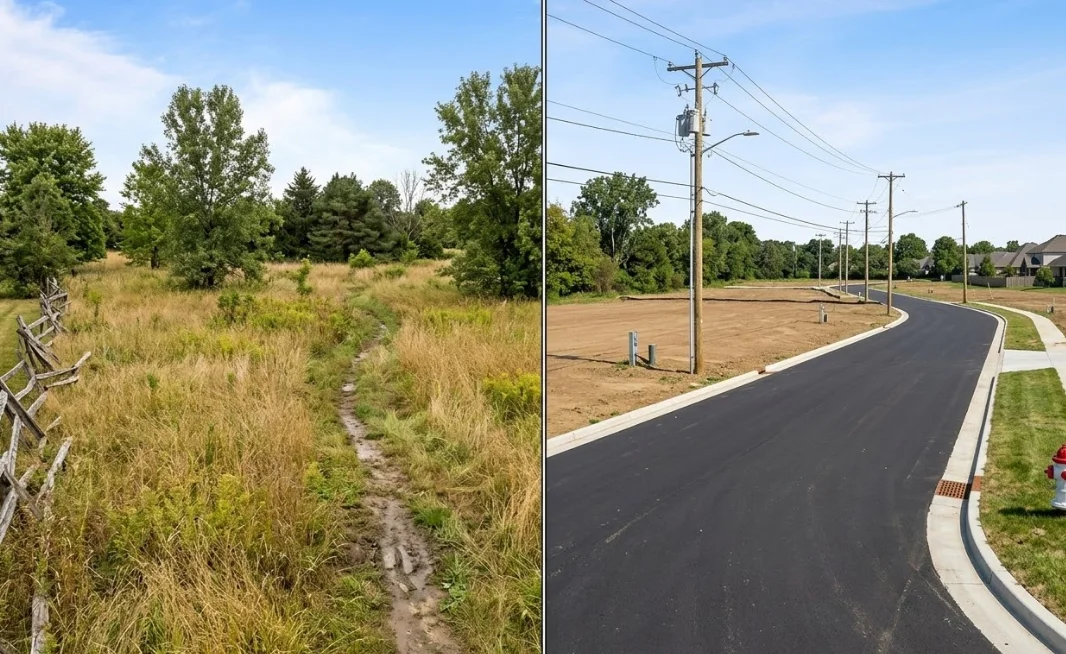
Raw land is what it sounds like: property in its natural state, no services, no infrastructure, often no road access. It’s typically cheap to buy, but every dollar of value you unlock from it comes through the development process.
Developed, or improved, land has already been through that process. Roads are in, utilities are connected, permits are cleared, and lots are ready for construction. That transformation is where the real money is made. The spread between raw land acquisition cost and the finished lot value is what developers are chasing, and it’s significant in most US markets today.
The Four Main Types of Land Development Projects
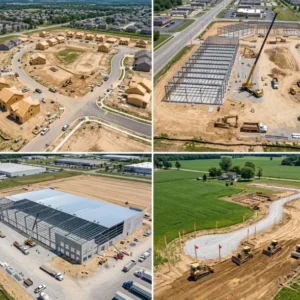
Not all development looks the same. Here are the four categories you’ll most commonly encounter in the US market:
- Residential subdivision development – Taking a larger parcel and dividing it into individual lots for single-family homes, townhouses, or multifamily buildings. This is the most common form of land development in suburban markets.
- Commercial and industrial development – Preparing sites for retail centers, office buildings, warehouses, or manufacturing facilities. These projects often require more robust infrastructure and carry higher permitting scrutiny.
- Mixed-use development – Combining residential and commercial elements on a single site. These projects tend to be more complex and expensive, but they also tend to perform well in urban and walkable suburban markets.
- Agricultural-to-residential conversion – Turning farmland or rural acreage into developable residential lots. This involves entitlement work, potential rezoning, and sometimes significant infrastructure buildout from scratch.
Knowing which bucket your project falls into matters a lot, because each one has a different cost structure, permitting path, and timeline. That said, the core cost categories apply to all of them, they just show up in different proportions.
What Are the Average Land Development Costs in the USA Right Now?
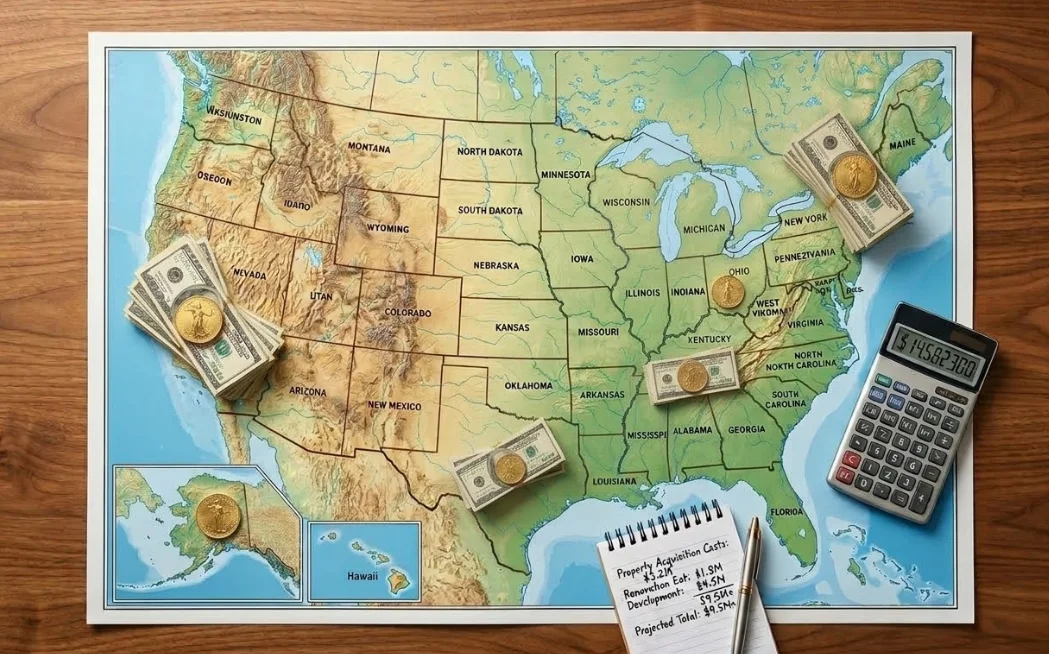
Let’s get into numbers. Nationally, total land development costs, everything from clearing and grading to permits and utility hookups, typically run somewhere between $20,000 and $200,000 per acre. That range is wide, but it reflects reality: a rural subdivision in Tennessee and an urban infill project in Los Angeles are simply not comparable.
A baseline rule of thumb used by many experienced developers: plan to spend roughly as much on development as you spent buying the raw land. In some markets, particularly dense metro areas, development costs actually exceed the acquisition price. In rural or exurban markets, they may come in under it.
Breaking Down Costs by Development Type
| Development Type | Est. Cost Per Acre | Typical Range | Primary Cost Driver |
|---|---|---|---|
| Residential Subdivision | $50,000 – $100,000+ | Varies by region & lot count | Utility distance, road length |
| Commercial Development | $75,000 – $200,000+ | Highest in dense metros | Zoning compliance, infrastructure scale |
| Industrial Development | $40,000 – $150,000+ | Mid to high range | Road access, power capacity |
| Mixed-Use Development | $80,000 – $250,000+ | Broadest variability | Phased permitting complexity |
| Agricultural Conversion | $25,000 – $75,000+ | Lower starting baseline | Rezoning, new infrastructure buildout |
Why Where You Build Changes Everything
Location isn’t just a real estate cliché, in land development, it’s the single variable that can double your budget or cut it in half. California, New York, Massachusetts, and Hawaii consistently rank among the most expensive states for development, driven by intense regulatory environments, high labor costs, and steep permitting fees. Compare that to Texas, Florida, Tennessee, Georgia, or Ohio, where the permitting process is faster, impact fees tend to be lower, and the labor pool for civil construction work is generally more available and affordable.
In 2026 specifically, two factors are worth keeping front of mind. Construction material prices, particularly concrete, asphalt, and steel, are still running above pre-2020 baselines. And skilled labor shortages in civil trades haven’t fully resolved, which means contractor pricing remains elevated across most US regions.
Every Major Cost You’ll Encounter When Developing Land
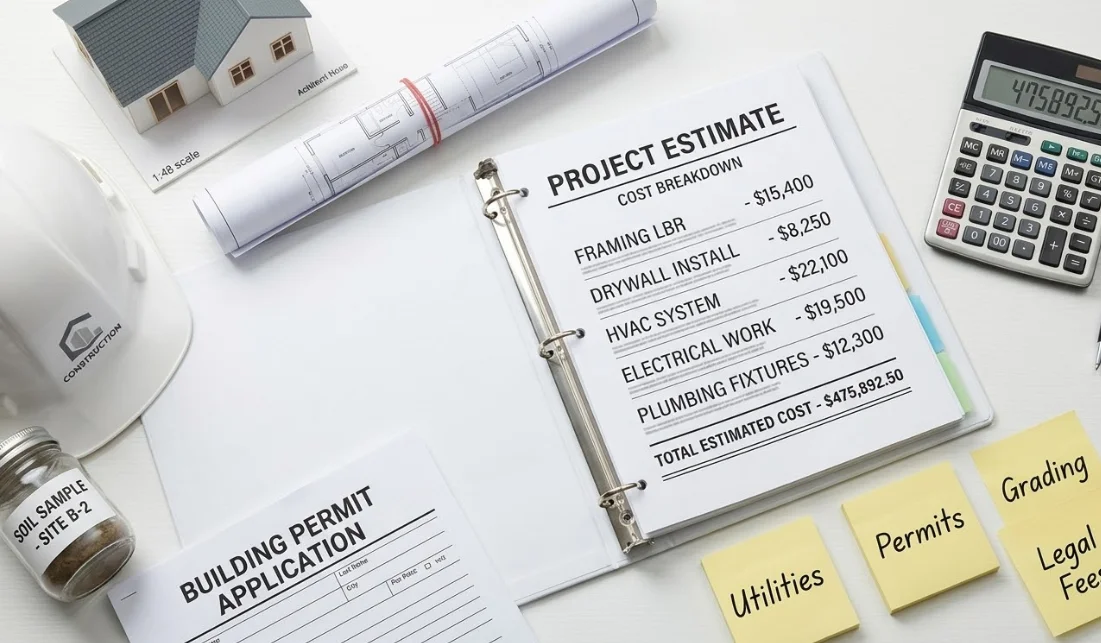
This is the section most people wish they had read before their first project. The costs below aren’t worst-case scenarios, they’re what you should realistically plan for on a standard US land development.
Land Acquisition and Pre-Purchase Expenses
- Title search and title insurance – typically a few thousand dollars
- Phase I Environmental Site Assessment – $2,000 to $6,000
- Boundary survey and ALTA survey – $1,500 to $10,000+
- Legal and closing fees – budget 1–2% of purchase price
Site Preparation and Land Clearing
- Vegetation clearing and tree removal – $500 to $5,000+ per acre
- Grubbing and root removal – often bundled
- Demolition of existing structures – $5,000 to $25,000+
- Rough grading and cut-and-fill earthwork – $1,000 to $5,000 per acre
- Geotechnical and soil testing – $2,000 to $10,000
Permitting, Zoning, and Entitlement
- Grading and building permits – a few thousand to $50,000+
- Environmental impact reports – $10,000 to $100,000+
- Rezoning applications and public hearing costs – $5,000 to $30,000+
- Traffic studies, noise analysis – often required
Infrastructure and Utility Installation
- Road construction and paving – $15 to $100 per linear foot
- Water line installation – $20 to $100+ per linear foot
- Sewer system installation – $25 to $100+ per linear foot
- Electrical distribution, transformers – $5,000 to $30,000+ per lot
- Stormwater management – $50,000 to $500,000+ on larger sites
Soft Costs – The Budget Category That Always Gets Underestimated
- Civil engineering, land planning, site design fees
- Construction loan origination and interest during development
- Property taxes during development
- HOA formation legal work (for subdivisions)
- Insurance, security, site maintenance
| Cost Category | Typical Cost Range | Key Variable |
|---|---|---|
| Land Clearing | $500 – $5,000 per acre | Vegetation density, terrain |
| Grading & Earthwork | $1,000 – $5,000 per acre | Slope and soil conditions |
| Permitting & Entitlement | $5,000 – $100,000+ | Jurisdiction, project type |
| Road Construction | $15 – $100 per linear foot | Width, base, material |
| Utility Installation | $10,000 – $100,000+ per lot | Distance from infrastructure |
| Soft Costs (aggregate) | 10–20% of total budget | Project size, financing |
The Variables That Can Make or Break Your Development Budget
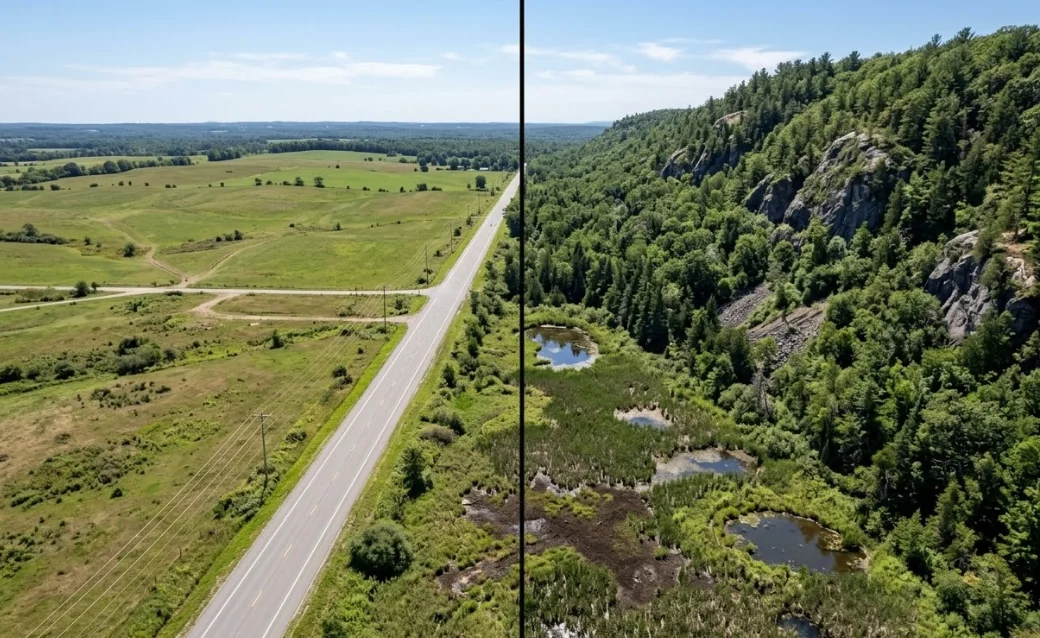
Two parcels of land ten miles apart can have development costs that differ by 50 percent or more. Understanding why helps you evaluate land deals much more accurately.
Location and what the local government will charge you
Beyond state-level differences, individual cities and counties vary enormously in how they treat development. Some municipalities actively court new development with streamlined permitting and modest impact fees. Others treat it as a revenue opportunity.
What the ground looks like under your feet
Terrain is physical destiny. Flat, well-drained land with stable soil is a developer’s best friend. Steep slopes, rocky substrate, expansive clay, or wetlands all add cost.
Size and scale – where the math actually works in your favor
Larger projects benefit from economies of scale. When you’re putting roads and utility lines through a 200-lot subdivision, the cost per lot drops significantly compared to a 10-lot project.
The 2026 material and labor reality
Construction materials remain elevated, and civil construction crews are in high demand. Build contractor availability into your timeline, not just your budget.
The Costs Nobody Tells You About Until They Show Up on an Invoice

Environmental surprises
Phase I assessments are standard, but if contamination or old tanks are found, a Phase II and remediation can cost from a few thousand to millions. Wetland mitigation is another wildcard.
Utility extension costs you didn’t see coming
Extending water/sewer from a distant main can run into hundreds of thousands. Municipalities may also require capacity upgrades as a condition of service.
The slow bleed of carrying costs
Land development takes years. Property taxes, loan interest, and holding costs can add 15–20% contingency. A $2M project over three years might accumulate $200k–$400k in carrying costs.
How to Keep Your Development Costs Under Control
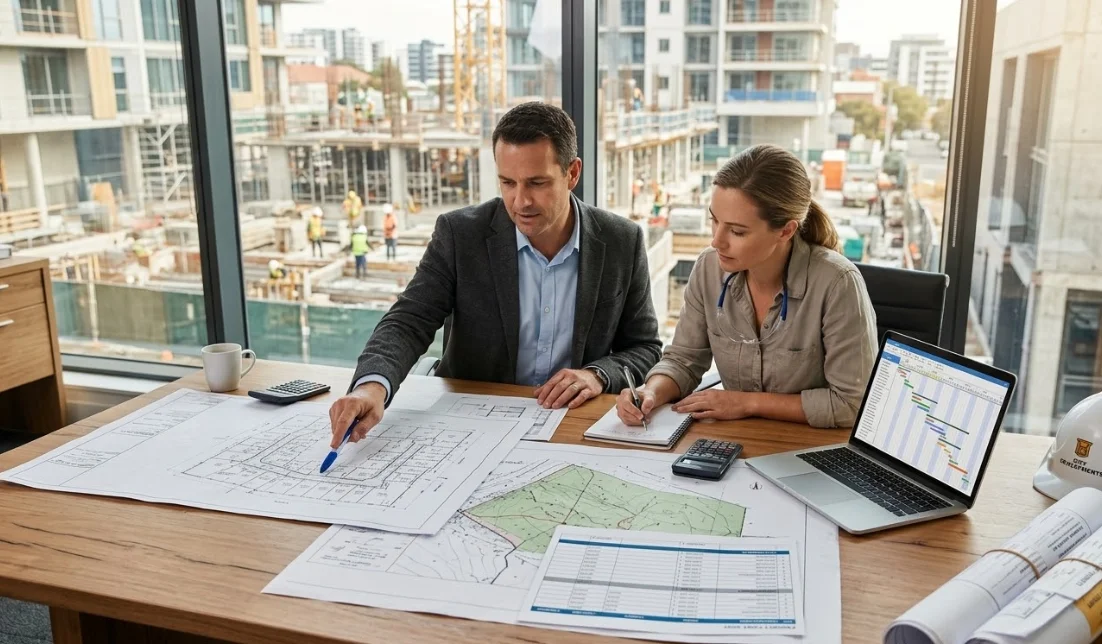
- Do your due diligence before you sign anything – environmental, soil, utility, zoning checks.
- Hire local – engineers and contractors who know the specific county save time and money.
- Phase the project to manage cash flow – build in phases to reduce peak exposure.
- Talk to the municipality before you design anything – pre-application meetings reveal requirements.
- Let your engineer optimize the layout for cost efficiency – clustering, road frontage, shared infrastructure.
Is All This Actually Worth It? What the ROI Looks Like in 2026
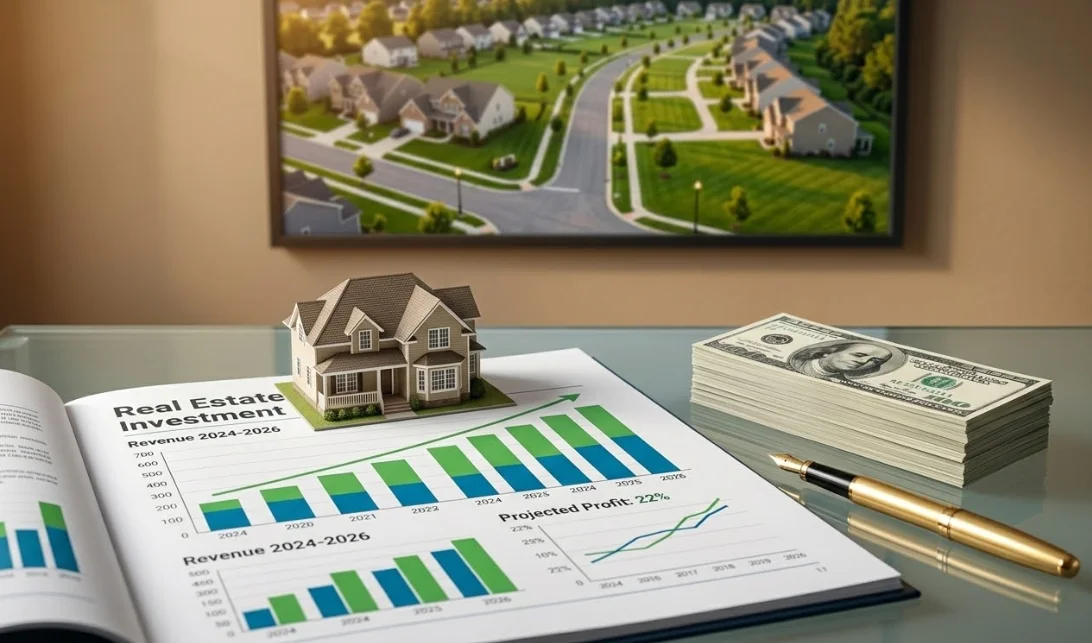
Given everything above, you might be wondering whether land development is still a worthwhile investment in a market where costs are elevated and timelines are long. The short answer is yes, but the margin for error is tighter than it used to be.
| Scenario | Raw Land Cost | Development Cost | Finished Lot Value | Estimated Net Margin |
|---|---|---|---|---|
| Rural Residential (per lot) | $10,000 | $35,000 | $70,000 | ~40% |
| Suburban Subdivision (per lot) | $30,000 | $55,000 | $120,000 | ~35% |
| Urban Infill Lot | $80,000 | $90,000 | $250,000 | ~43% |
Net profit margins on residential land development typically run 15 to 30 percent after all costs are accounted for. Urban infill can push higher due to lot scarcity, while rural projects often offer strong returns on a percentage basis simply because the raw land is cheap.
Frequently Asked Questions About Land Development Costs
How much does it cost to develop one acre of land in the USA?
Plan for somewhere between $20,000 and $200,000 per acre. Most residential subdivision projects in mid-sized markets land between $50,000 and $100,000 per acre.
What tends to be the most expensive part of developing land?
Infrastructure – roads, water, sewer, utilities – usually represents 40–60% of total development budget.
How long does the land development process typically take?
12 to 24 months for a simple subdivision in a streamlined environment; 3 to 7 years in heavily regulated markets.
Do you need permits to develop raw land in the USA?
Without exception, yes. Local grading/building permits are baseline; larger projects may need state/federal permits.
Can I develop land myself, or do I need to hire a professional developer?
For small, simple projects a knowledgeable owner can coordinate. For anything complex, professional fees pay for themselves many times over.

Daniel Carter
"Daniel Carter is a U.S.-based land valuation researcher. He specializes in simplifying complex land value calculations for American landowners, investors, and buyers."