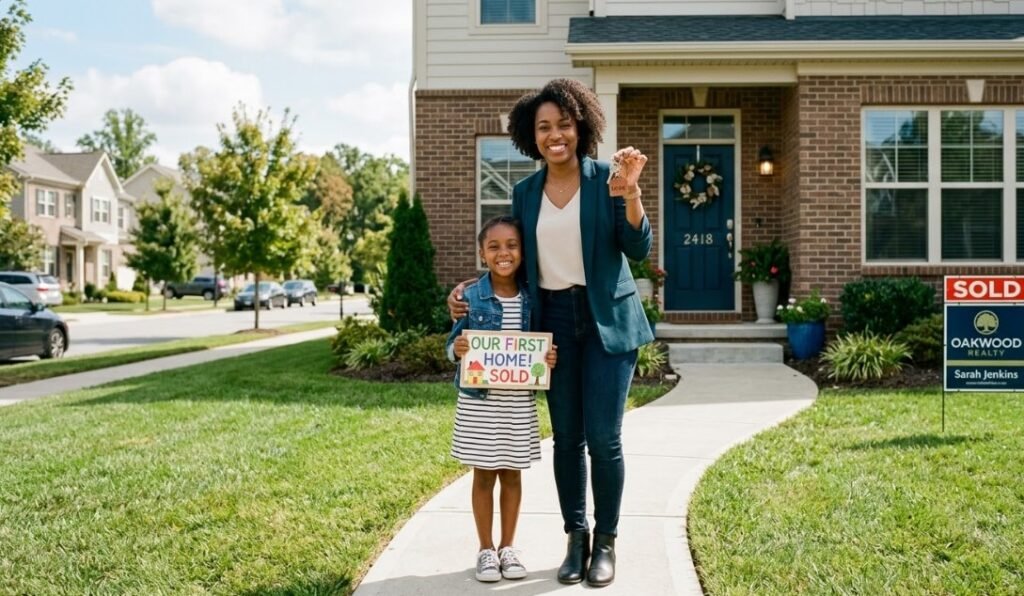
Buying a home is one of the biggest financial decisions anyone can make. For many single mothers in the United States, the idea of owning a home may feel challenging at first. Managing household expenses, raising children, and planning for the future can make the home buying process seem complicated. However, with the right planning and knowledge, homeownership is absolutely achievable.
In recent years, many programs and loan options have been designed to help individuals with moderate or limited income purchase a home. These resources make it easier for single-parent families to find affordable housing and secure a mortgage that fits their financial situation. Government-backed loans, assistance programs, and flexible lending requirements have opened the door for more families to move from renting to owning.
Complete Guide to Land Development Costs in the USA (2026 Breakdown)
For single mothers, owning a home can provide long-term stability, financial security, and a safe environment for their children. Instead of paying rent every month, mortgage payments contribute toward building equity and creating a valuable long-term asset.
This guide explains practical strategies that can help single mothers navigate the home buying journey with confidence. You will learn about common financial challenges, loan opportunities, preparation steps, and smart decisions that can make purchasing a home more manageable. With the right approach, planning, and access to helpful resources, owning a home in the United States can become a realistic goal.
Understanding the Home Buying Challenges for Single Mothers
While homeownership can bring stability and long-term financial benefits, single mothers often face unique challenges during the home buying process. Understanding these obstacles is an important first step toward overcoming them and making informed decisions.
Income and Budgeting Limitations
One of the most common challenges is managing a household on a single income. Raising children involves regular expenses such as food, childcare, healthcare, and education. These financial responsibilities can make it difficult to save enough money for a down payment or meet the income requirements needed for mortgage approval.
Lenders typically evaluate income stability and debt levels before approving a home loan. For single mothers, maintaining a balanced budget and demonstrating reliable income becomes especially important during the application process.
Credit Score Considerations
A strong credit history plays a major role when applying for a mortgage. Credit scores help lenders determine how likely a borrower is to repay the loan on time. If someone has experienced financial setbacks in the past, their credit score may be lower than required for certain loan programs.
Improving credit health by paying bills on time, reducing outstanding debt, and avoiding unnecessary credit applications can significantly increase the chances of qualifying for better loan terms and lower interest rates.
Saving for a Down Payment
Another common obstacle is building savings for a down payment. Depending on the loan type, buyers may need to contribute a percentage of the home’s purchase price upfront. For someone supporting a family alone, setting aside this amount can take time and careful financial planning.
Fortunately, many housing programs offer down payment assistance or reduced initial payment options that make buying a home more accessible.
Balancing Childcare and Financial Responsibilities
Single mothers often juggle multiple responsibilities at once. Between work commitments and caring for children, finding time to research properties, meet with lenders, and manage paperwork can be challenging.
Despite these difficulties, thousands of single mothers successfully purchase homes each year by preparing financially, seeking professional guidance, and taking advantage of available support programs. Understanding these challenges helps create a realistic plan and allows buyers to approach the process with confidence.
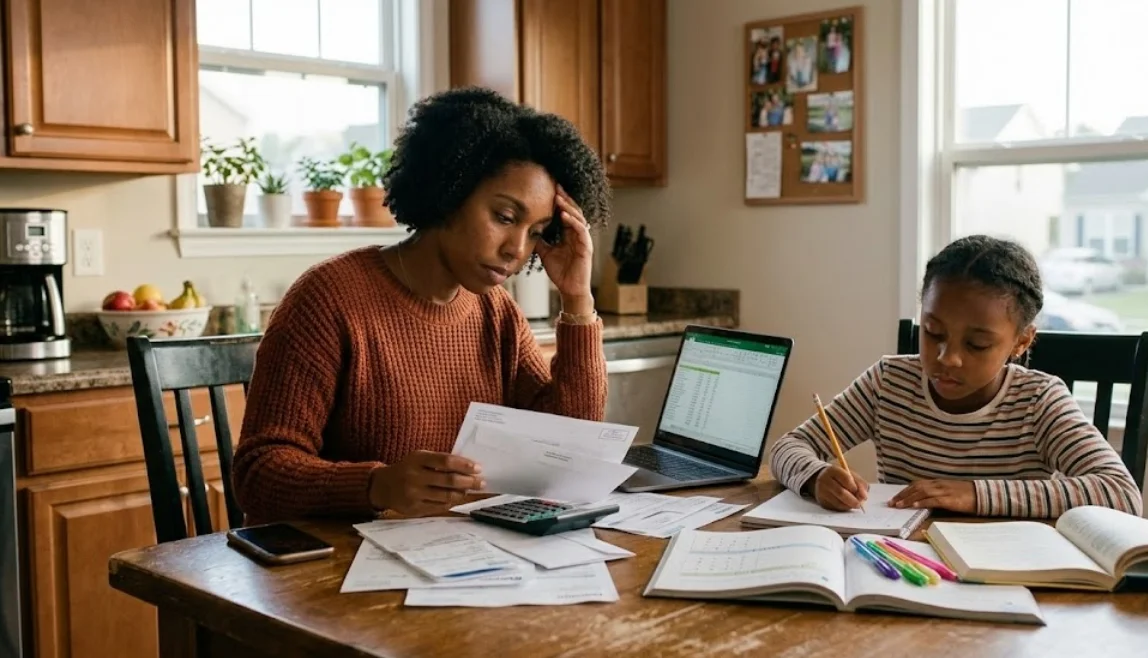
Is It Possible for a Single Mother to Buy a Home in the USA?
Yes, it is absolutely possible for a single mother to buy a home in the United States. Although the process may seem difficult at first, thousands of single-parent households successfully purchase homes every year. With the help of flexible mortgage programs, financial planning, and housing assistance initiatives, homeownership has become more accessible than ever before.
Many lenders today recognize that families come in different financial situations. Instead of focusing only on household structure, mortgage providers evaluate factors such as income stability, employment history, credit score, and debt levels. If these elements meet lending guidelines, a borrower can qualify for a mortgage regardless of marital status.
For single mothers, the key is understanding how lenders assess affordability. Financial institutions usually review a borrower’s income-to-debt ratio, which compares monthly income to existing financial obligations. If debt levels are manageable and income is stable, approval chances increase significantly.
Another important factor is credit history. Maintaining consistent bill payments and reducing outstanding balances can help build a stronger credit profile. Even borrowers with moderate credit scores may still qualify for certain government-backed loan programs designed to help first-time buyers.
Housing affordability also depends on location and property price. Many single parents start with smaller homes or properties in areas where housing costs are lower. This approach helps reduce monthly mortgage payments while still allowing families to build equity and long-term financial security.
Additionally, many state and federal housing programs are designed to support low- to moderate-income buyers. These initiatives can provide financial assistance, lower down payment requirements, or favorable loan terms that make homeownership more realistic.
With proper planning, reliable income, and access to the right loan options, buying a home as a single mother in the United States is not only possible but increasingly common.

Best Home Loan Options for Single Mothers
Choosing the right mortgage program is one of the most important steps when buying a home. Fortunately, several loan options are available in the United States that can make homeownership easier for single mothers, especially those purchasing their first property.
FHA Loans and Their Advantages
Loans backed by the Federal Housing Administration are among the most popular options for first-time buyers. These mortgages are designed to make homeownership more accessible by allowing lower down payment requirements and more flexible credit standards compared to many conventional loans. For many buyers, FHA loans can require a down payment as low as a small percentage of the home price. This makes them particularly helpful for individuals who may not have large savings but still have steady income and responsible financial habits.
USDA Loans for Rural Buyers
Another option is the mortgage program offered by the United States Department of Agriculture. These loans are intended to support homebuyers in eligible rural and suburban areas. One of the biggest advantages of USDA loans is that some borrowers may qualify without needing a large down payment. Income limits and property location requirements apply, but for families living in smaller communities, this program can significantly reduce the financial barrier to purchasing a home.
VA Loan Opportunities
Some single mothers may also qualify for home financing supported by the U.S. Department of Veterans Affairs if they have served in the military or meet eligibility requirements through military service. These loans are known for competitive interest rates and flexible qualification standards. VA-backed mortgages can provide valuable benefits, including limited upfront costs and supportive lending conditions for eligible applicants.
Conventional Mortgage Options
Traditional home loans offered by banks and private lenders are another path to homeownership. These loans often require stronger credit scores and larger down payments compared to government-supported programs. However, borrowers with stable income and solid financial history may receive competitive interest rates through conventional mortgages. Many buyers choose to compare multiple lenders before making a final decision. Evaluating loan terms, monthly payment estimates, and long-term affordability can help single mothers select the option that best fits their financial situation and long-term goals.
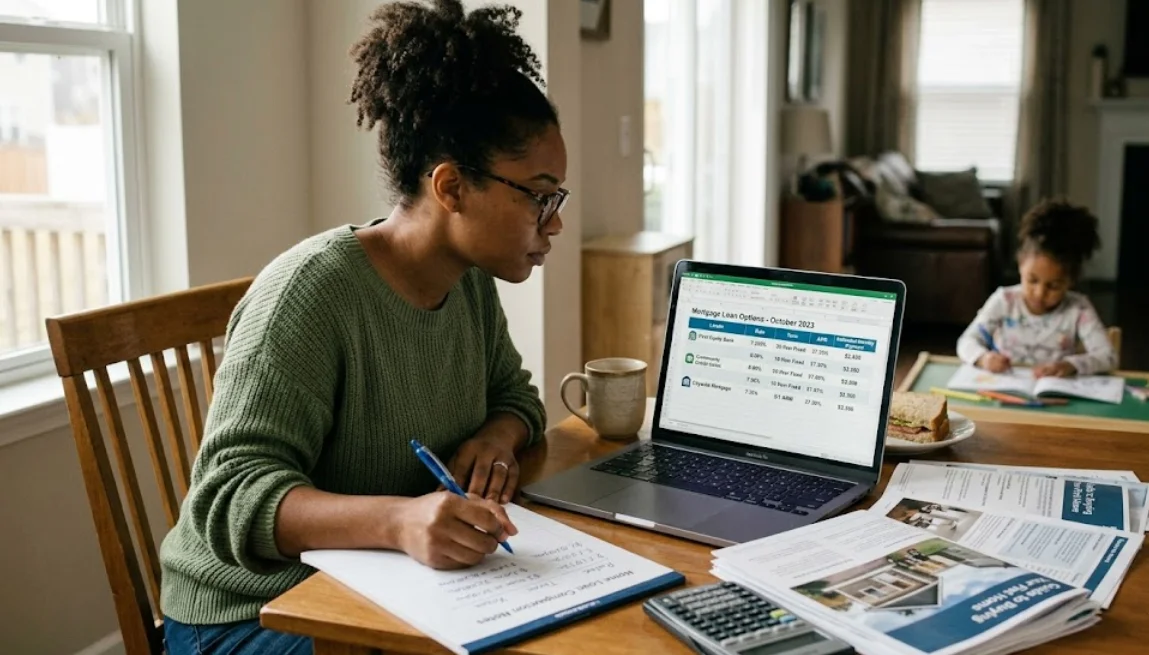
Government Assistance Programs That Can Help
For many single mothers, saving enough money to purchase a home can feel overwhelming. Fortunately, several housing assistance initiatives in the United States are designed to support individuals and families with limited financial resources. These programs aim to make homeownership more accessible by reducing upfront costs and providing financial guidance.
Federal Housing Support Programs
Several nationwide housing initiatives help first-time buyers secure affordable financing. Programs supported by the U.S. Department of Housing and Urban Development provide guidance, counseling, and resources that help families understand the home buying process. These services often include financial education, budgeting advice, and access to housing specialists who can guide buyers through mortgage applications.
State and Local Housing Initiatives
In addition to federal support, many state and local governments operate housing programs tailored to their communities. These initiatives often provide financial assistance, favorable loan terms, or homebuyer education courses designed to help residents purchase property in their area. Eligibility requirements vary depending on location, income level, and property price. However, these programs can significantly reduce the financial burden associated with buying a home.
Down Payment Assistance Programs
One of the biggest barriers for many buyers is the initial payment required when purchasing a property. Down payment assistance programs are designed to address this challenge by offering grants, low-interest loans, or deferred payment options that help cover part of the upfront cost. These programs are often available through housing agencies, community development organizations, and local government initiatives.
Grants for Low-Income Households
Some organizations offer grants that do not require repayment. These grants are usually aimed at buyers with limited income and may be used for expenses such as closing costs, homebuyer education, or minor property improvements after purchase. Exploring these financial support options can make a significant difference for single mothers who want to achieve homeownership while maintaining financial stability for their families.
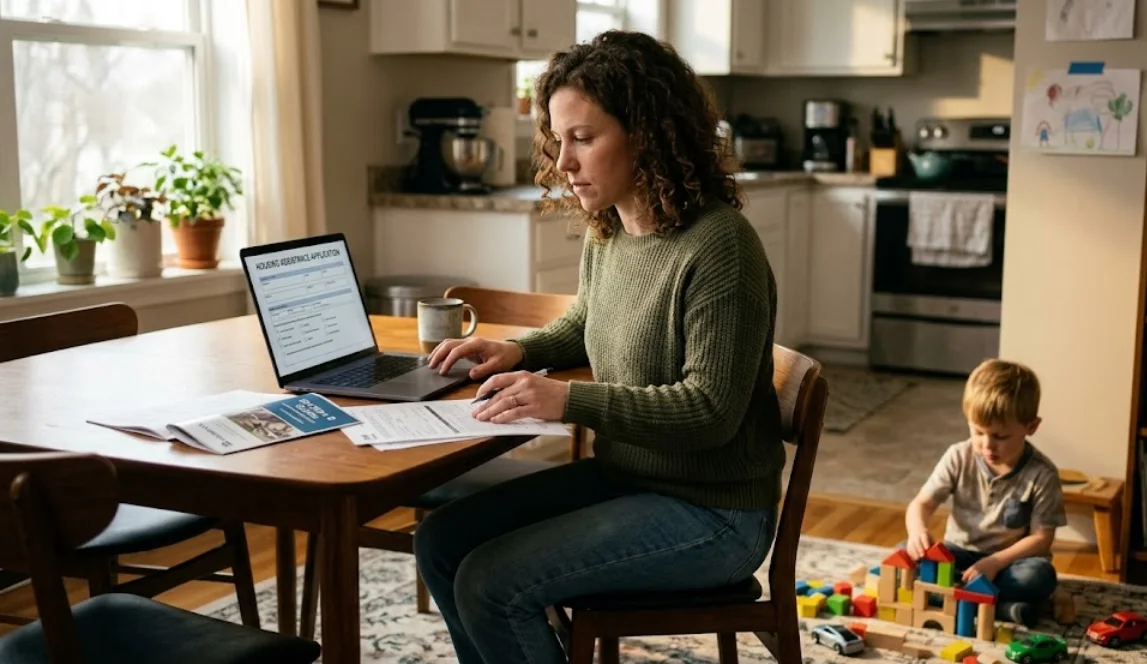
How to Prepare Financially Before Buying a Home
Preparing financially is one of the most important steps before starting the home buying process. Careful planning can improve the chances of mortgage approval and help ensure that monthly payments remain manageable in the long term.
Strengthening Your Credit Profile
Credit history plays a significant role when applying for a mortgage. Lenders review credit reports to understand how reliably a borrower has managed past financial obligations. Improving credit health before applying for a home loan can increase approval chances and may also lead to better interest rates. Simple actions such as paying bills on time, reducing credit card balances, and avoiding unnecessary debt can gradually improve credit scores.
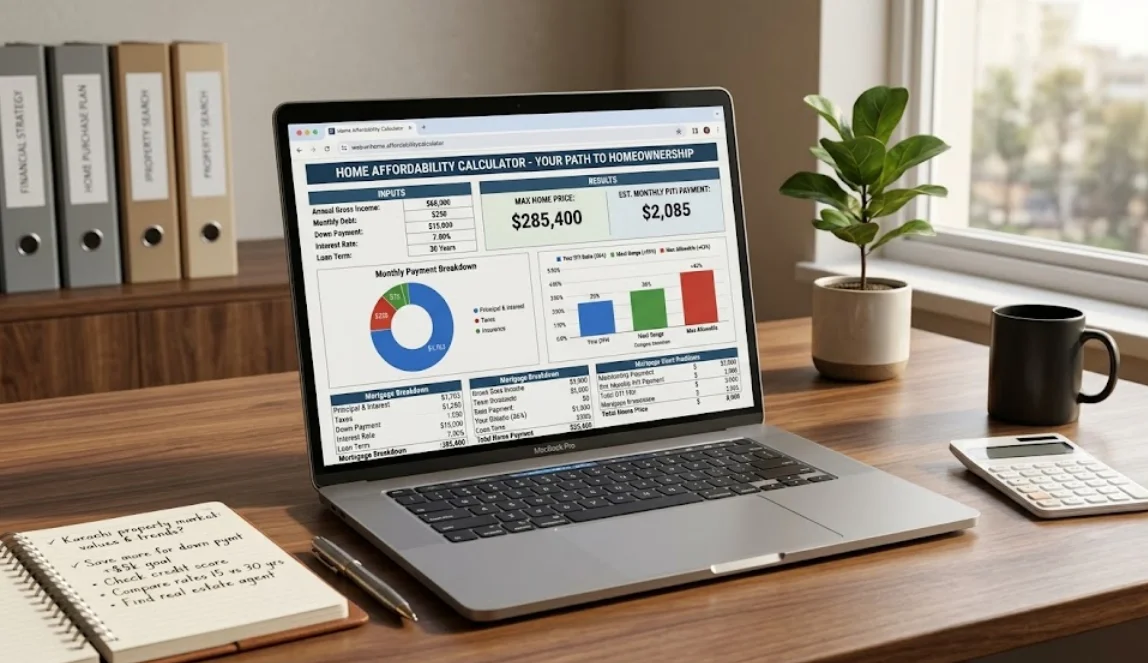
Estimating an Affordable Mortgage Payment
Understanding how much house you can afford is essential before searching for a property. Monthly housing expenses typically include the mortgage payment, property taxes, homeowner’s insurance, and maintenance costs. Evaluating these expenses ahead of time helps buyers avoid financial strain later. Many financial planners recommend that housing costs remain within a reasonable portion of monthly income.
Reducing Existing Debt
Lowering outstanding debts can significantly improve financial stability before applying for a mortgage. Lenders often calculate a borrower’s debt-to-income ratio to assess their ability to manage additional financial obligations. Paying down credit cards, personal loans, or other recurring liabilities can strengthen a loan application.
Building a Consistent Savings Plan
Saving money regularly is another essential part of financial preparation. In addition to the down payment, buyers may need funds for closing costs, moving expenses, and initial home maintenance. Setting aside small amounts consistently over time can gradually build a financial cushion.
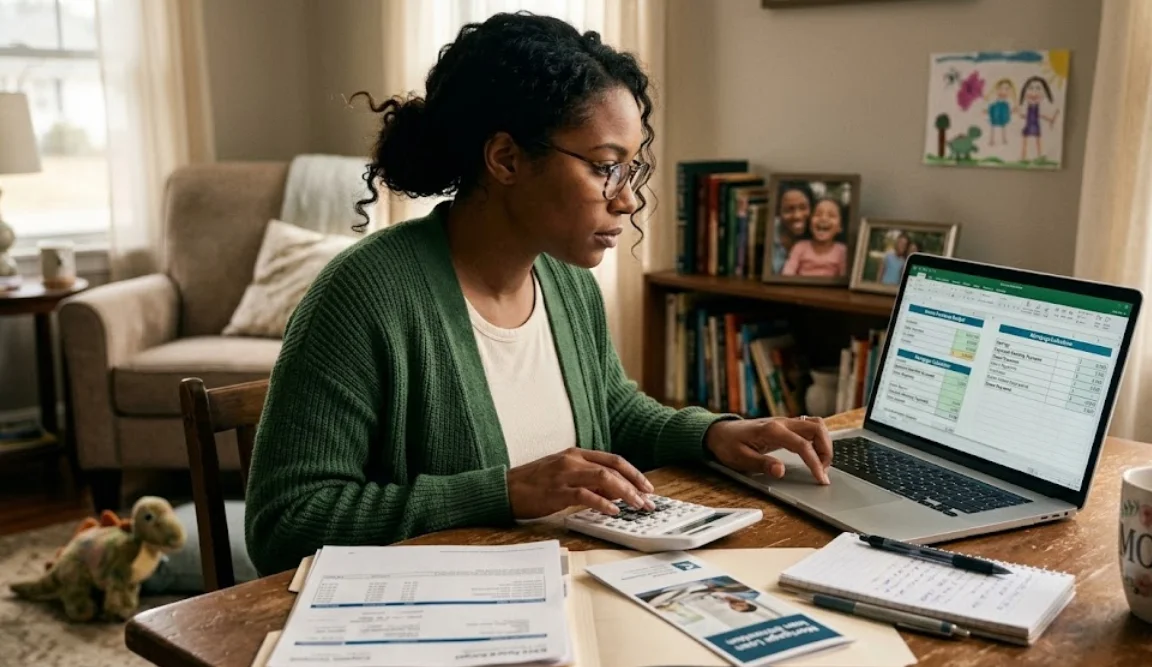
Step-by-Step Process for Buying a Home as a Single Mother
Buying a home can feel overwhelming, especially when you are managing family responsibilities on your own. Breaking the process into clear steps can make the journey much easier.
- Review Your Financial Situation – Understand income, expenses, savings, and credit.
- Get Pre-Approved for a Mortgage – Lenders review documents and tell you how much you can borrow.
- Start Searching for the Right Property – Consider safety, schools, commute, and long-term costs.
- Make an Offer and Negotiate – Work with an agent to submit and adjust offers.
- Complete Inspection and Appraisal – Professional checks protect your investment.
- Finalize the Purchase – Sign documents, pay closing costs, and receive the keys.
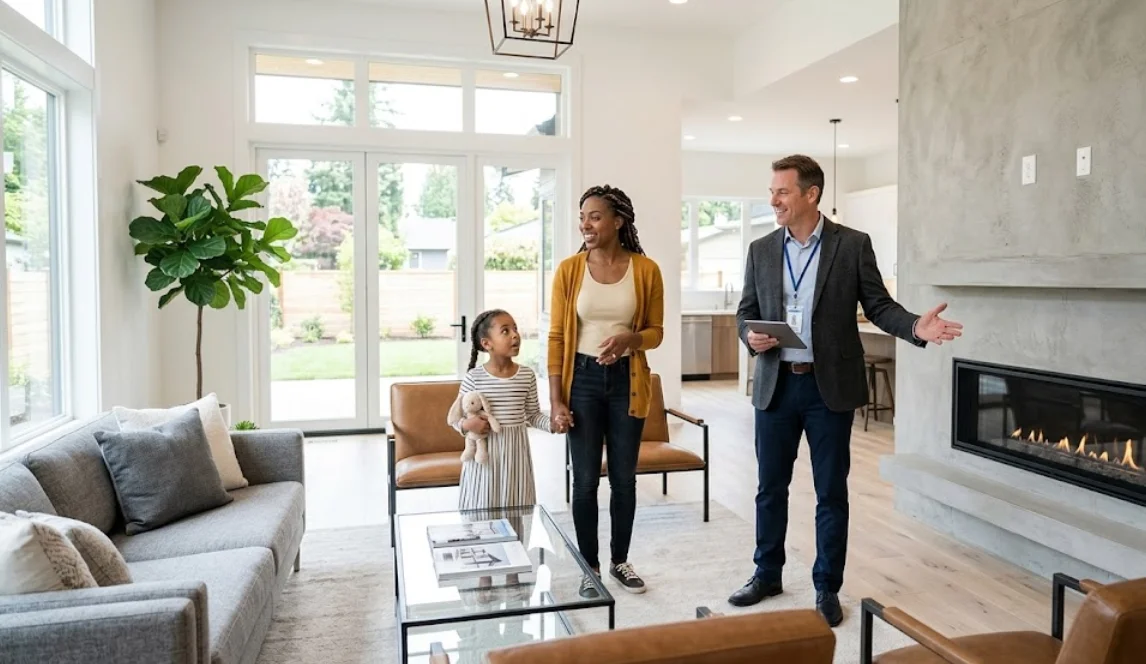
Costs You Should Expect When Buying a Home
When planning to purchase a home, it is important to understand that the total cost goes beyond the property’s purchase price.
Closing Costs
Closing costs refer to the fees required to finalize a real estate transaction. These expenses may include lender processing charges, title services, legal documentation, and administrative fees.
Loan Origination Fees
Lenders may charge a loan origination fee for processing and approving the mortgage. This fee covers administrative work.
Property Taxes and Home Insurance
Property owners pay local property taxes and must carry home insurance. These vary by location.
Monthly Housing Expenses
After purchase, ongoing costs include mortgage, insurance, taxes, and maintenance. Budgeting for these ensures sustainability.
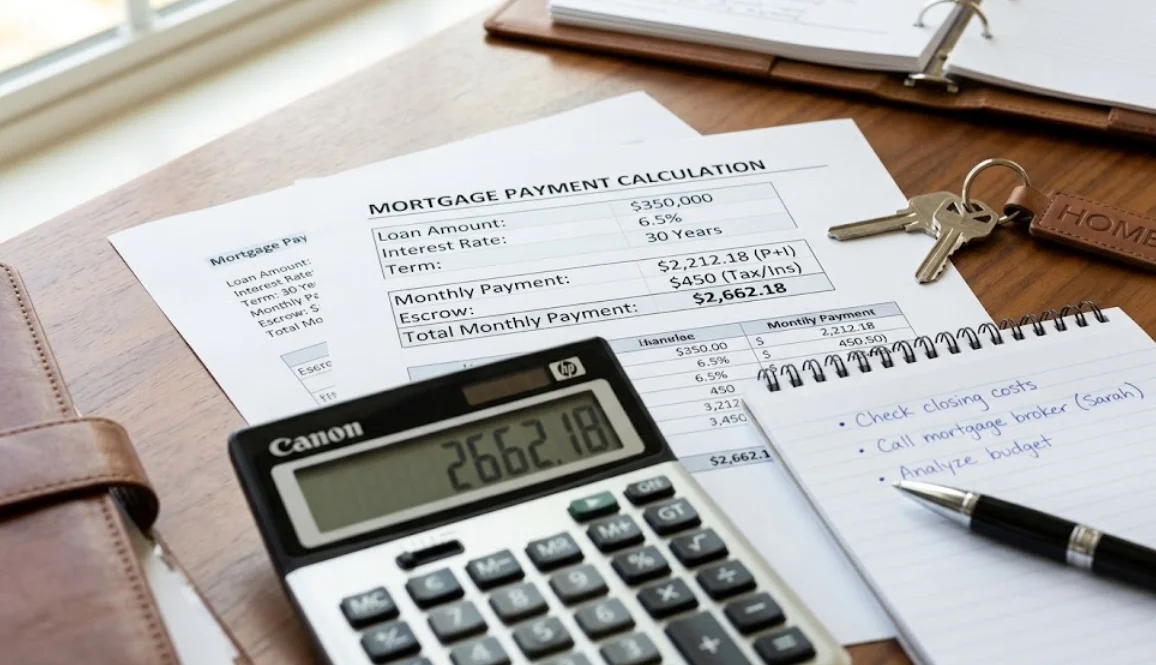
Tips to Make Homeownership More Affordable
- Choose a location that fits your budget – smaller towns often have lower prices.
- Start with a smaller property – lower payments and maintenance.
- Take advantage of assistance opportunities – grants, down payment help.
- Compare lenders – even small interest rate differences matter.

Common Mistakes Single Mothers Should Avoid
- Skipping mortgage pre-approval – know your budget before shopping.
- Underestimating long-term expenses – repairs, utilities add up.
- Ignoring professional inspections – avoid costly surprises.
- Choosing the wrong mortgage option – understand terms and rates.
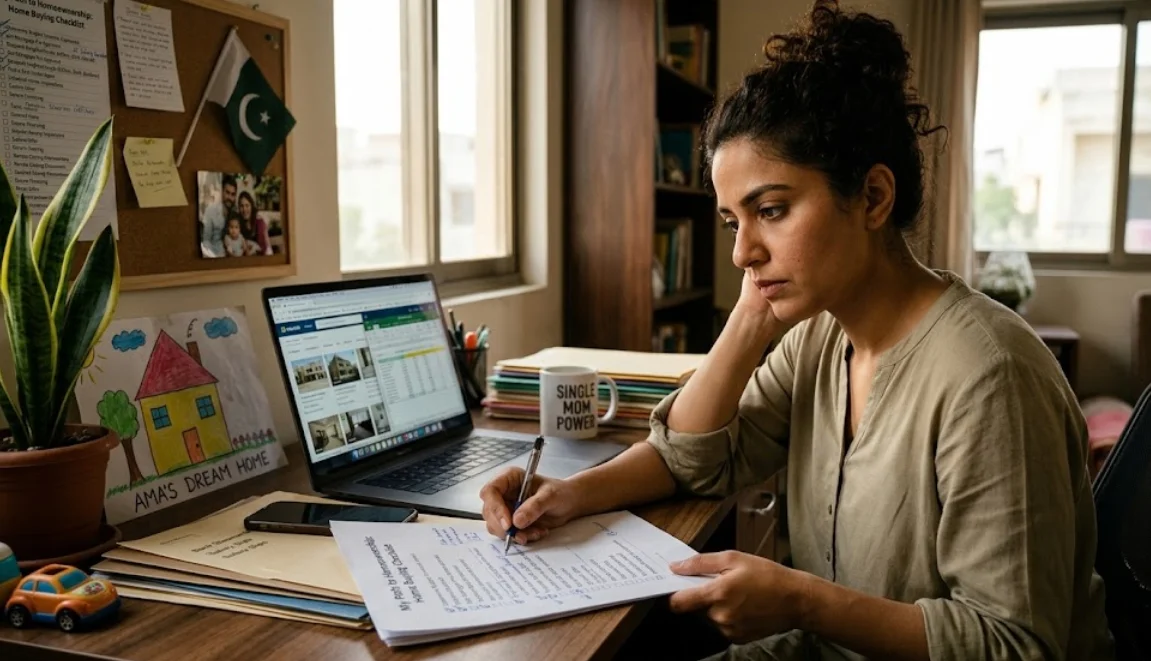
Helpful Tools for Planning Your Home Purchase
- Mortgage payment calculators – estimate monthly payments.
- Home affordability estimation tools – find your price range.
- Closing cost estimators – prepare for final fees.
Final Thoughts: Building a Stable Future Through Homeownership
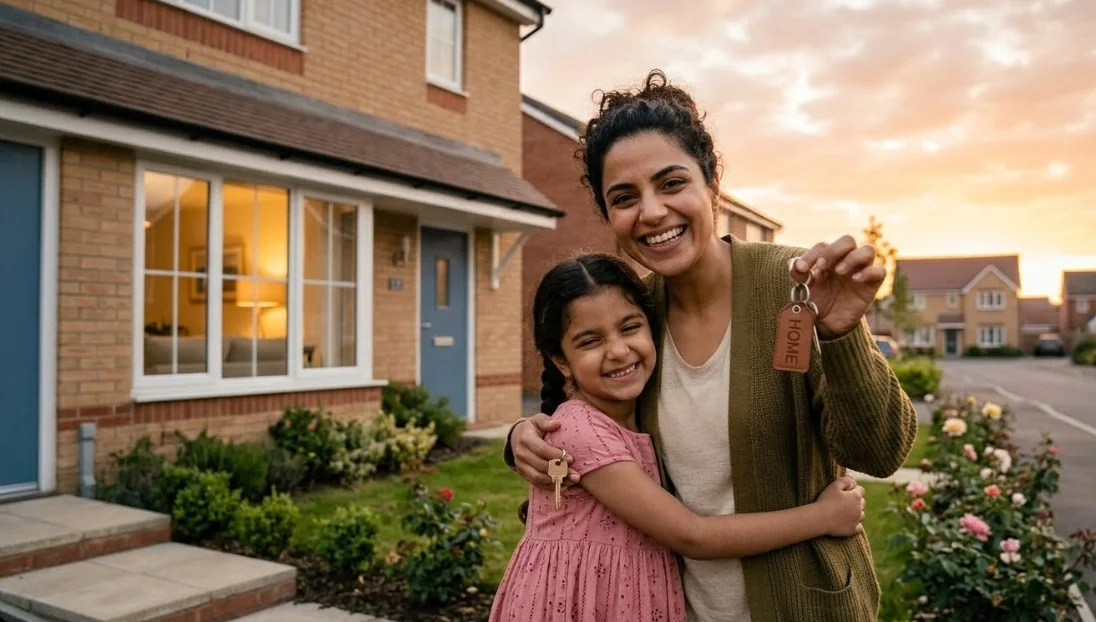
For many single mothers in the United States, owning a home represents more than just purchasing property. It is a step toward long-term stability, financial independence, and creating a secure environment for their children.
Although the process may seem challenging at first, careful preparation and informed decision-making can make a significant difference. Understanding financial requirements, exploring loan options, and taking advantage of available housing resources can help simplify the journey toward homeownership.
With the right strategy and support, many single-parent families successfully achieve this goal each year. Buying a home not only provides a place to live but also creates an opportunity to build long-term financial value through property ownership.
By planning carefully and making thoughtful choices, single mothers can turn the goal of owning a home into a realistic and rewarding achievement for their families.
Frequently Asked Questions (FAQ)
Can a single mother qualify for a home loan in the United States?
Yes, a single mother can qualify for a home loan if she meets the basic lending requirements. Mortgage lenders usually evaluate income stability, credit history, and existing financial obligations rather than marital status. If income is sufficient and debt levels are manageable, many single mothers can qualify for financing. Government-backed mortgage programs are often designed to help first-time buyers enter the housing market more easily.
What credit score is typically needed to buy a home?
Credit score requirements depend on the loan program and the lender. Many home loan programs allow moderate credit scores, while stronger credit histories may qualify for better interest rates. Maintaining consistent bill payments, lowering outstanding balances, and monitoring credit reports regularly can improve approval chances and borrowing terms.
Are there financial assistance programs for single mothers buying a home?
Yes, several housing support programs exist to help individuals and families purchase property. Many initiatives offer help with upfront expenses or provide education about the home buying process. Programs supported by the U.S. Department of Housing and Urban Development often guide buyers toward state and local resources that make homeownership more accessible.
How much down payment is required for a first-time homebuyer?
The required down payment depends on the mortgage type and lender policies. Some loan programs allow smaller upfront payments compared to traditional financing options. In certain cases, buyers may also qualify for financial assistance programs that help cover part of the initial payment.
Is buying a home as a single parent a good long-term investment?
For many families, homeownership can provide long-term financial stability. Owning property allows buyers to build equity over time instead of paying rent each month. With careful budgeting and responsible financial planning, purchasing a home can support long-term security and create a stable living environment for children.

Daniel Carter
"Daniel Carter is a U.S.-based land valuation researcher. He specializes in simplifying complex land value calculations for American landowners, investors, and buyers."